Legjobb online kaszinók A 20 legjobb oldal 2026 januárjára
妖琳
LiveGoodの窓口

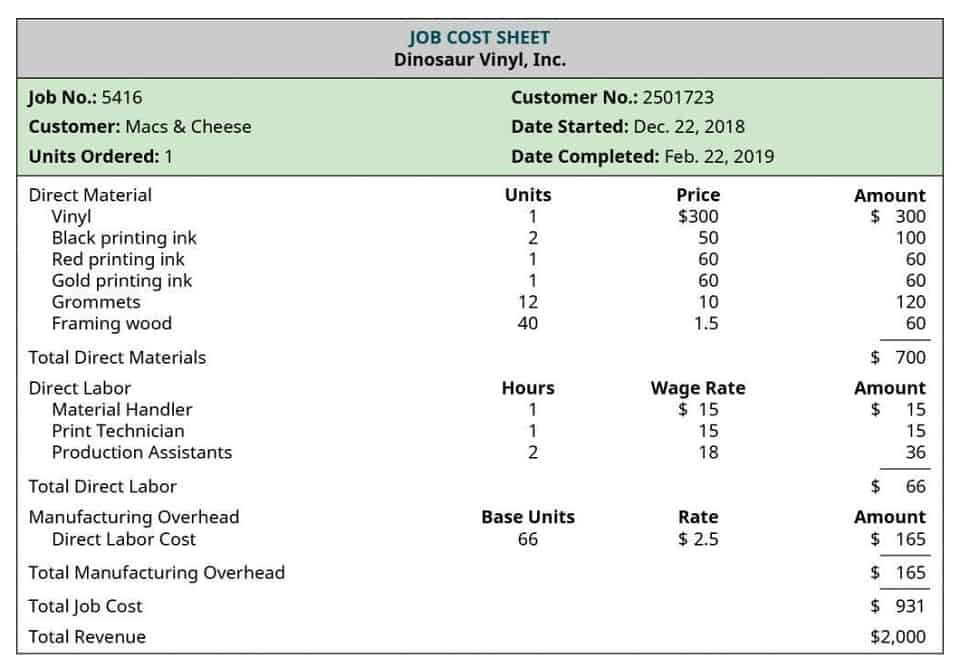
For example, the number of machine hours might be the cost driver for machine maintenance, or the number activity-based costing of customer orders might be the cost driver for order processing. Identifying the correct cost drivers is crucial because they determine how costs will be allocated. Activity-Based Costing (ABC) is a powerful tool that helps companies understand their costs more accurately, improve pricing, and identify areas for efficiency. However, it requires significant investment in data and human resources, making it more suitable for companies with complex or multi-product operations.
This precision reduces cost distortions and enables more accurate pricing of services. Also, ABC facilitates the identification of non-value-adding activities and inefficiencies within processes. By addressing these issues, construction companies can enhance productivity and reduce project delays. Furthermore, detailed cost insights support strategic decisions, such as pricing adjustments, resource reallocation, and process redesigns, fostering better alignment with project objectives. And lastly, ABC enhances the transparency of cost structures, which is particularly beneficial in projects with multiple stakeholders and complex supply chains. Data analytics tools are used to allocate overhead costs to activities based on the actual consumption of resources.


Cost drivers should demonstrate a clear cause-and-effect relationship with activity costs and be measurable in practice. Common cost drivers include transaction drivers (counting frequency), duration drivers (measuring time), and intensity drivers (measuring resource requirements). We have now arrived at a complete ABC allocation of overhead costs to those cost objects that deserve to be charged with overhead costs.
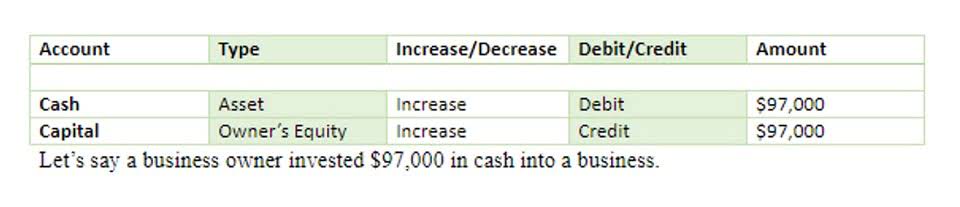
In contrast, activity-based costing takes a more detailed and accurate approach by assigning costs based on specific https://shopde.in/2-7-cost-terminology-cost-accounting/ activities that consume resources. Instead of relying on a single cost driver, the ABC method identifies multiple cost drivers, such as machine setups, inspections or order processing, to allocate expenses more precisely. Cost-based pricing is a strategy that sets prices based on production and operational costs, followed by a markup to achieve a profit.

Traditional costing systems often allocate overhead costs using volume-based measures that may not reflect actual resource consumption. ABC eliminates this distortion by linking costs directly to the activities that generate them. Activity-based costing calculates overhead (indirect expenses) costs by taking https://www.bookstime.com/ multiple cost drivers (machine setup costs, labor, inspections, utilities, etc.) into account before assigning product costs. Activity-based costing is an incredibly precise method used by large companies needing accurate figures when allocating overhead costs.