Nine Casino : Tour Horizon Gaming Article 35
妖琳
LiveGoodの窓口

Historical evolution of gambling tracing the twists and turns of chance
The historical roots of gambling can be traced back to ancient civilizations, where activities of chance emerged in various forms. The earliest records show that the Chinese, around 2300 BCE, played with rudimentary dice made from animal bones. Similarly, in ancient Mesopotamia, the practice of casting lots was used not only for entertainment but also for decision-making purposes. These early instances highlight a fundamental human fascination with chance and fortune. In modern times, people often discuss the excitement of visiting a crypto casino as a way to experience the thrill of chance firsthand.
As societies evolved, so did the complexity of gambling activities. Ancient Romans enjoyed games of chance, including betting on gladiatorial contests and chariot races. This period marked the beginning of organized gambling, where the stakes were higher, and the participants sought to enhance their fortunes, reflecting an ever-growing cultural integration of chance-based activities.
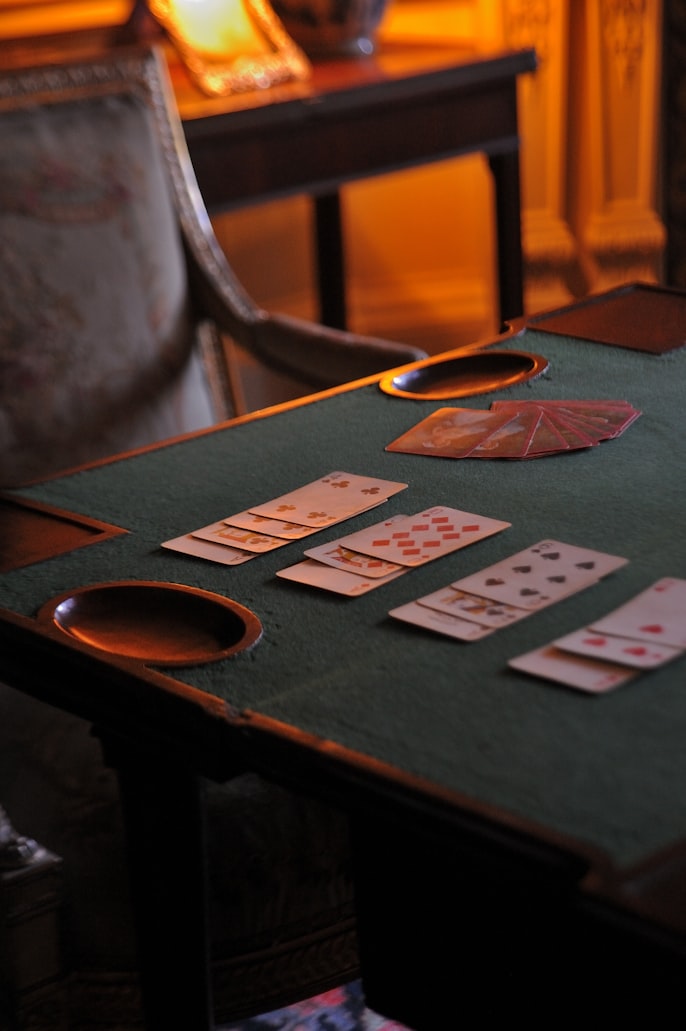
The Middle Ages saw the rise of various card games in Europe, which became a popular pastime among nobility and common folk alike. The introduction of playing cards, believed to have originated from China, transformed the gambling landscape. Gambling houses began to emerge, where people could gather to play these new games, bringing a social aspect to chance and luck.
During this time, gaming was often intertwined with moral scrutiny, leading to periods of prohibition and regulation. Laws against gambling fluctuated, reflecting societal attitudes toward chance, luck, and skill. However, despite the challenges, the allure of gambling remained strong, paving the way for more formalized structures in the gambling industry as societies transitioned toward the Renaissance.
The 18th century marked a significant turning point with the establishment of the first modern casino in Venice. This development introduced a more sophisticated approach to gambling, blending entertainment with a social venue. The concept of a casino quickly spread across Europe, leading to the creation of luxurious establishments that catered to the elite.
As the 19th century approached, the industrial revolution facilitated the growth of gambling further, with the introduction of commercialized betting on horse races. This was not merely a game of chance but also involved a level of skill and strategy, distinguishing it from traditional games of pure luck. This evolution in gambling practices set the stage for the intricate balance between luck and skill that would characterize gambling in the modern era.
The late 20th century heralded a new era in gambling with the advent of the internet. Online gambling platforms began to emerge, allowing players to engage in games of chance from the comfort of their homes. This revolution democratized access to gambling, making it available to a broader audience than ever before.
With technological advancements, online casinos began incorporating sophisticated algorithms to ensure fairness while retaining the thrill of chance. The debate around skill versus luck intensified, especially as games like poker gained popularity, where players could leverage strategy amidst an unpredictable environment. This blending of elements from traditional gambling with innovative technology continues to shape the landscape.

Today, the historical evolution of gambling highlights a fascinating interplay between luck and skill. The global gambling industry has expanded exponentially, with various forms, including sports betting, lotteries, and online casinos, contributing to its reach and influence. As legislation continues to adapt to new technologies and societal norms, gambling remains a contested space where chance plays a crucial role.
This intricate history underscores the enduring human fascination with chance and fortune. Understanding the evolution of gambling helps to appreciate the complex dynamics at play today, particularly as we navigate the digital landscape and consider the future of this age-old pastime.